


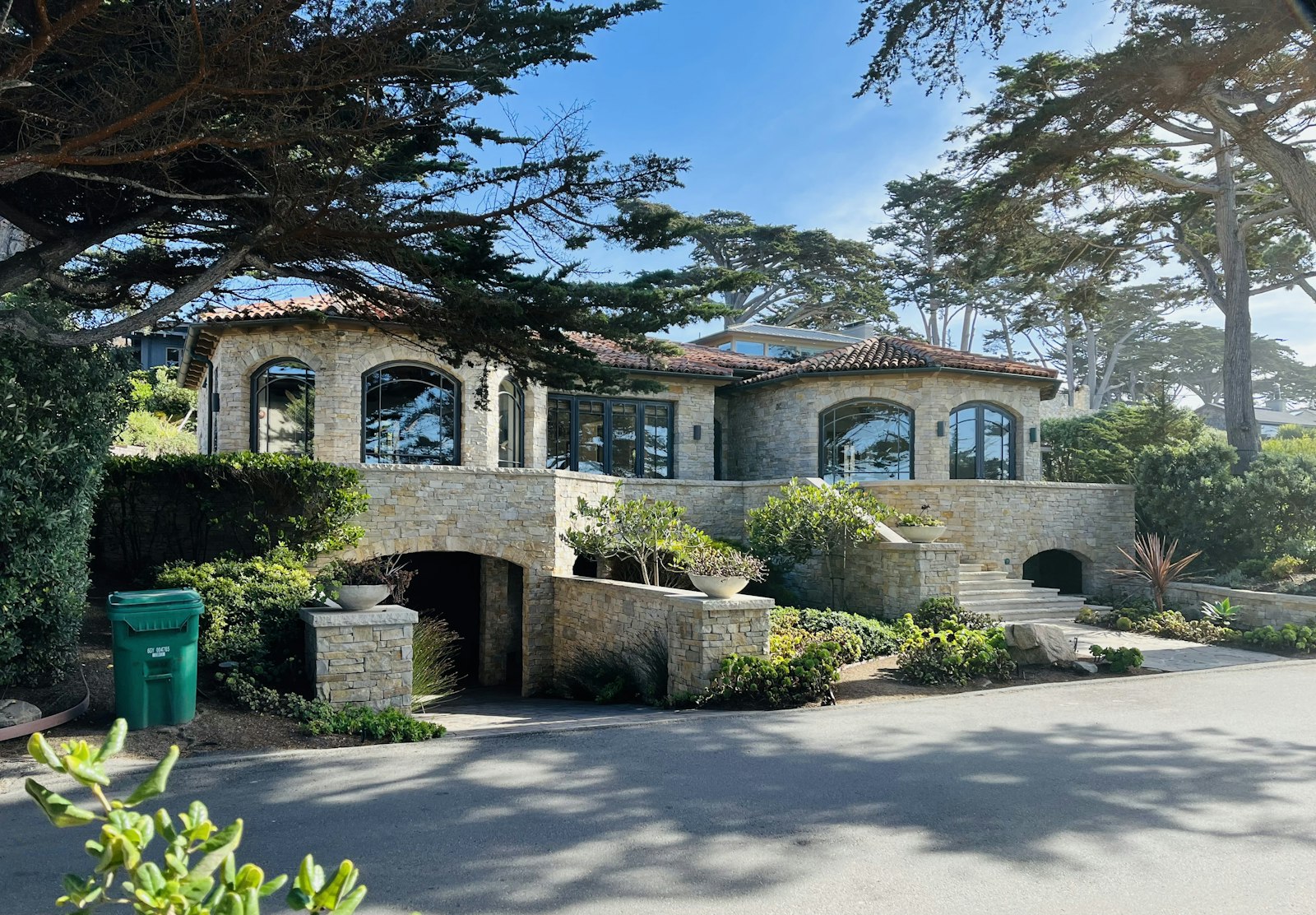
If you own a home in Porter Ranch or Granada Hills, what is it actually worth today, and why do online estimates and neighborhood averages so often get it wrong?
Your home’s true market value depends on your specific lot, condition, upgrades, layout, and micro-location, not on a website algorithm or a neighborhood-wide average. No automated tool can walk through your front door and see what makes your property different from the one three houses down.
Why This Matters Right Now for Porter Ranch and Granada Hills Homeowners
If you are thinking about selling in 2026, you have probably already typed your address into a real estate website and seen an estimated value. Maybe you have also heard what a neighbor’s home sold for and assumed yours is worth about the same. Both numbers can steer you in the wrong direction.
Working the homes around Porter Valley Country Club and Knollwood Country Club for decades, I have watched houses on the same street sell at noticeably different prices because of details no algorithm can detect. What I tell my clients is simple: your home is not a statistic. It is a specific property, and only a specific analysis will give you a number you can rely on.
Getting that number right on day one is what protects your equity. So let’s look at where online estimates go wrong, why averages mislead, and how to find out what your home is really worth before you list.
Why Online Home Value Estimates Fall Short
Automated valuation models (AVMs), the engines behind the estimates on popular real estate websites, pull from recorded sales, tax assessments, and public records. They process thousands of data points and produce a number. Sounds scientific, right?
Here is the problem: those tools cannot see inside your home. They do not know whether you remodeled the kitchen last year or the original cabinets are still there. They cannot tell whether your backyard opens to a view or backs up to a neighbor’s two-story addition. And they have no way of knowing whether a garage conversion is quietly inflating the square footage on record.
What AVMs Actually Measure
- Recorded sales of nearby homes
- Tax-assessed values, which often lag the market
- Public records on square footage, lot size, and year built
What They Miss
- Interior condition and the quality of any upgrades
- Solar, new windows, a newer roof, and other improvements buyers pay attention to
- Views, privacy, noise, and how the lot sits relative to the street
- Whether added space was permitted
So what should you do with that online number? Treat it as a starting point for a conversation, not a conclusion.
Why Neighborhood Averages Don’t Reflect Your Home’s Value
You have probably seen headlines about median home prices in Granada Hills, Porter Ranch, or the broader San Fernando Valley. A median tells you one thing: the midpoint sale across an entire area during a given period. That’s it.
Think about what gets blended into that single figure. A neighborhood median mixes homes that need significant work with fully renovated properties, small lots with large ones, and condos with single-family homes. One unusually large or small sale in a slow month can move the number noticeably.
Where Averages Mislead Sellers
- If your home is upgraded and well located, the average likely undervalues it.
- If your home needs updates or sits on a less desirable lot, the average may overvalue it.
- Either way, it does not help you price correctly.
A neighborhood average is a thermometer for the general market. It is not a prescription for pricing your home.
Your Tax-Assessed Value Isn’t Your Market Value Either
Many long-time owners glance at their property tax bill and assume the assessed value says something about what the home is worth. In California, it usually doesn’t. Under Proposition 13, assessed value is generally based on your purchase price plus limited annual increases (no more than 2% a year), so for someone who bought 15 or 25 years ago, the assessed value can sit far below today’s market price. It is useful for your tax bill, not for setting a list price.
What Actually Drives Value, Home by Home
If the algorithm, the average, and the tax bill all miss the mark, what determines your home’s real value? It comes down to property-specific factors that require an in-person look.
Condition and Upgrades
Two homes built the same year with the same square footage can present completely differently to a buyer. Updated kitchens, a newer roof, energy-efficient windows, refreshed landscaping: buyers see these during a showing, and an algorithm doesn’t see them at all. When I walk through a home before listing, I point out which improvements are likely to pay off relative to their cost and which ones probably won’t.
Floor Plan and Functional Layout
Public records might show 2,200 square feet for two homes on the same street. But if one includes a converted garage in that total and the other has a true fourth bedroom, buyers will respond to them very differently. This is the kind of detail you learn from having been inside homes at some of the same addresses two and three times over the years.
Lot and Micro-Location
Lot size, orientation, privacy, and views can separate two homes that look identical on paper. In Granada Hills, for example, homes north of Rinaldi Street often draw stronger buyer interest than similar-looking homes to the south, largely because of differences in lot size, home size, and views. Near the golf courses, a course-adjacent lot can be a plus or a minus depending on the specific property. I covered that in detail in Buying or Selling Near Porter Valley and Knollwood Country Clubs.
How a Comparative Market Analysis Gets It Right
A comparative market analysis (CMA) prepared by a local agent starts with recent, nearby, truly comparable sales, then adjusts for the real differences between those homes and yours: lot, condition, upgrades, layout, view, and location. It also looks at what is active and pending right now, so it reflects current conditions instead of data from months ago.
A CMA is not the same as an appraisal, which is a formal opinion of value from a licensed appraiser, usually ordered by a lender. But before you list, a well-built CMA is the most useful pricing tool you have.
Why the First Price Matters Most
Buyers and their agents in this market are well informed. They track new listings and price changes closely. A home that starts too high tends to sit, collect days on market, and eventually take a price reduction that everyone can see in the listing history. That often leads to weaker offers than a correct price would have attracted from the start. If you are also planning your next purchase, see How to Buy and Sell a Home at the Same Time in Porter Ranch and Granada Hills.
Why Local Experience Still Matters
Technology is a helpful starting point. But some knowledge only comes from years on the ground. After 46 years in the San Fernando Valley and more than 1,200 families served, I still door-knock in these neighborhoods, walk the streets, and talk with homeowners. Because I have represented buyers and sellers at some of the same addresses more than once, I have long-term knowledge of floor plans, lot characteristics, and buyer feedback that doesn’t exist in any public database.
That matters when you are pricing your home, when you are deciding which pre-listing projects are worth the money, and when a buyer’s agent points to an online estimate to justify a lower offer.
Frequently Asked Questions
Why is my online home estimate different from what my neighbor’s home sold for?
Online estimates rely on broad inputs like tax records, recorded sales, and square footage. They can’t account for your neighbor’s remodeled kitchen, a better lot, or a stronger view. Two homes that look identical in public records can have very different market values based on condition, upgrades, and micro-location.
How accurate are automated home value estimates in Porter Ranch and Granada Hills?
They can be a rough starting point, but they often miss in neighborhoods where homes vary a lot in lot position, views, privacy, and upgrades. Treat the online number as a conversation starter, not a final answer.
What is a comparative market analysis, and how is it different from an appraisal?
A CMA is a pricing tool prepared by a local real estate agent using recent comparable sales, adjusted for differences in condition, lot, and features. An appraisal is a formal opinion of value from a licensed appraiser, typically for a lender. I provide a CMA at no cost as part of a complimentary consultation.
Does unpermitted square footage count toward my home’s value?
Often not fully. Appraisers and lenders may give little or no credit for unpermitted additions or garage conversions, and buyers may discount them for the cost and risk of permitting later. If your home has added space, it is worth reviewing the permit history before you set a price.
What improvements should I make before listing my Granada Hills or Porter Ranch home?
It depends on your home. Fresh paint, landscaping cleanup, and repairs to obvious maintenance items often increase buyer interest relative to their cost. Major remodels may not. A walk-through consultation helps you decide what’s worth doing for your specific property.
How does pricing too high hurt my final sale price?
Overpricing usually leads to more days on market and a visible price reduction, which can invite lower offers. Homes priced correctly from the start tend to draw stronger interest and cleaner offers.
Can I rely on my tax-assessed value to know what my home is worth in 2026?
Usually not. In California, assessed values are generally based on purchase price plus limited annual increases under Proposition 13, so they often lag well behind market value, especially for long-time owners.
How do I get a complimentary home value consultation?
Call or reach out directly. I’ll walk through your home, review its strengths and opportunities, and prepare a comparative market analysis based on current conditions. There’s no cost and no obligation.
The Bottom Line
Your Porter Ranch or Granada Hills home is not a data point. It is a specific property with its own lot, condition, floor plan, and location that no algorithm or neighborhood average can fully capture. If you are thinking about selling in 2026, the most important step is finding out what your home is actually worth before you list, not what a website guesses.
I offer complimentary home value consultations throughout the San Fernando Valley, and I would be glad to walk through your home and give you a clear, honest picture of where it stands. Call Scott Green at 818-402-9542 or visit Park Regency Realty, 9275 Corbin Ave, Northridge. CalDRE #00772969.